Carry Quiet: Wool, Wood, and Leather for Mindful Alpine Treks
Step into a quieter kind of mountain travel as we explore handcrafted gear for mindful alpine treks—essentials shaped from wool, wood, and leather. Expect field-tested insights, tiny rituals that slow the pace, and durable pieces that warm, guide, and endure without overwhelm, so your attention returns to breath, horizon lines, and honest connection with changing weather and self. Share your own quiet-mountain kit tweaks and subscribe for field notes, slow-tested checklists, and stories from companions who choose craft over noise.

Warmth Woven by Hand

High elevation comfort begins where mindful craft meets living fiber. Hand-knit merino layers manage sweat on steep switchbacks, while felted mitts block spindrift without trapping heat. By choosing pieces shaped slowly, you gain quieter clothing, fewer zippers to fiddle with, and a steadier focus on footwork, breath cadence, and the subtle colors that slide across granite as clouds reform.

Merino Layers That Move With You

Fine merino tuned by experienced hands hugs the core without squeezing, wicks generously, and resists trail funk longer than synthetics. On a frosty ridge, I opened the collar, felt steam drift, and kept climbing without shiver or clammy stops that break rhythm and awareness.

Felted Protection Against Ridge Winds

Felted wool, dense yet responsive, blunts gusts that whistle between cornices and cairns, while keeping dexterity for buckles and maps. Instead of crinkling shells, the quiet surface reduces sensory clutter, helping ears catch ravens, skis distant on crust, and partners’ soft check-ins during exposed traverses.

Wood in the High Country

Wooden tools carry warmth to the hand and a grounded feel to each placement. Properly seasoned ash or hazel dampens vibration better than aluminum, easing wrists and thoughts. A carved kuksa turns any meltwater stop into ceremony, reminding companions to pause, breathe deeper, and taste the landscape slowly.

Trekking Poles Shaped for Balance

Hand-turned poles with oiled grain invite a neutral grip, reducing overclench and shoulder fatigue on endless zigzags. They bite reliably across scree and refrozen slush, and when storms muffle visibility, their quiet tap becomes a metronome that steadies foot placement and conversation alike.

A Kuksa Cup for Slow Sips

From pocket to palm, a wooden cup changes a rushed gulp into a mindful break. It never chills lips, floats in a pot without clatter, and invites sharing stories while snow hisses on the stove, reminding bodies that warmth includes community, not just calories.

Carved Handles, Confident Grip

Knife and axe handles carved to your hand remove surprise slips during camp chores. Subtle palm swells, burnished by miles, orient edges safely without staring, so you can watch sky textures and avalanchy slopes while slicing cordage, shaving tinder, or repairing a snowshoe binding beside a wind-drifted boulder.

Leather That Learns Your Journey

Quality leather molds to stride, remembers ankles, and protects blades and notebooks with weathered grace. Treated with waxes and patience, it sheds sleet yet breathes. Each scuff becomes a map of decisions—where you paused, turned back, or pressed on—inviting kinder pacing and honest storytelling around glowing stoves.

Boot Uppers, Broken-In Bravery

A slow break-in supported by wool socks and measured days turns stiff leather into confidence on mixed crust and talus. The flex sweet spot reduces heel rub and mental noise, freeing attention for snow bridges, cornice lips, and the way alpenglow softens everyone’s breath.

Straps and Sheaths with Purpose

Vegetable-tanned straps keep poles, snowshoes, and tools stable without plastic bite marks, while sheaths guard sharpened edges calmly. Rivets and saddle stitching outlast quick glues, and repairs on a porch become invitations for neighbors to share weather notes and pastry, deepening trail connections before departure.

Packing Light, Moving Present

Choosing fewer, better, multi-role pieces invites presence. A wool hood doubles as pillow, a wooden spoon stirs and serves, leather pouches organize maps and fire kits without crinkly noise. Counting grams matters, yet counting breaths matters more, so decisions prioritize quiet function, repairability, and relationships over fashion or algorithmic hype.
A compact selection built around wool, wood, and leather covers warmth, cooking, carrying, and small repairs. Each item earns its place by doing at least two jobs, reducing decisions under storm pressure and creating soothing familiarity every time hands find exactly what they expect.
Set a firm upper limit, then leave ten percent unused so curiosity can linger without stress. That margin lets you add an found pine cone memento or an extra liter during heat waves, keeping pace compassionate and choices flexible when slopes surprise.

Ethical Sourcing and Repair Culture

Traceable Wool, Happier Landscapes
Look for certifications and small-farm notes that explain pasture rotation, predator coexistence, and shearing standards. When garments honor land, they seem to hold weather more kindly, and every uphill breath feels joined with the flock’s calm patience and the shepherd’s winter hands.

Sustainably Harvested Wood, Lasting Trails
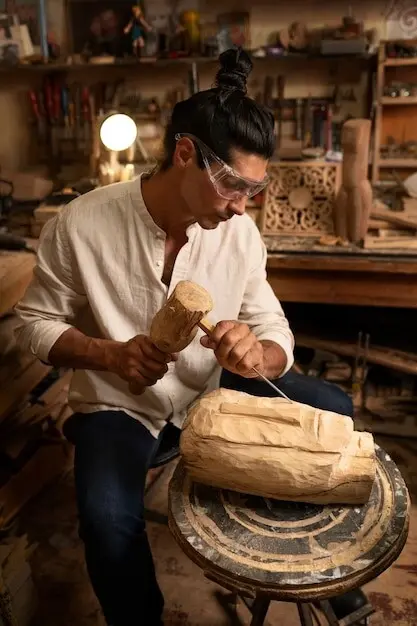
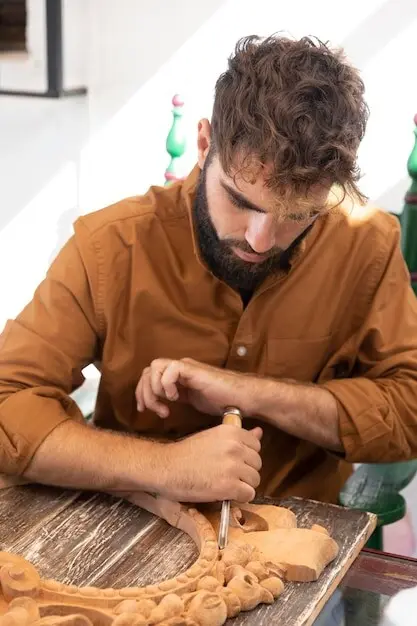
Select handles and cups from managed sources or windfall stock, finished with natural oils rather than glossy lacquers. Such pieces invite ongoing care instead of disposal, mirroring the trail ethic of stepping lightly, yielding often, and leaving lines in snow rather than scars in soil.

Vegetable-Tanned Leather, Cleaner Rivers

Seek hides tanned with bark extracts and patient rinses, colored with restrained dyes. These materials wear beautifully and accept repairs, while their making leaves waterways safer for downstream neighbors, fish, and the children who might one day climb these ridges with your gently patched pack.

Care, Rituals, and Lifespan

Longevity grows from small, repeating attentions. Dry wool flat away from fierce heat, oil wooden grain when it looks thirsty, and massage conditioners into leather before crack lines begin. These rituals slow consumption, preserve trust, and keep companions ready for another quiet crossing above the last larch.
Tunorinofexokavi
Privacy Overview

This website uses cookies so that we can provide you with the best user experience possible. Cookie information is stored in your browser and performs functions such as recognising you when you return to our website and helping our team to understand which sections of the website you find most interesting and useful.